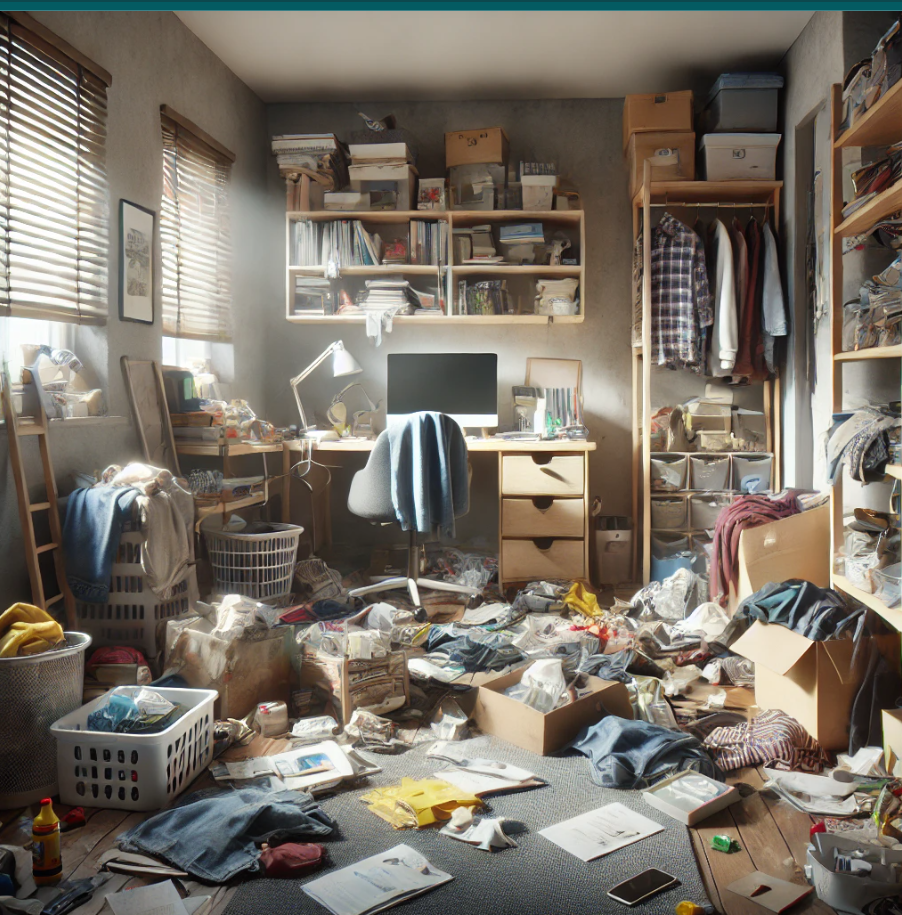


A clean home is more than just visually appealing—it supports a healthy lifestyle, reduces stress, and creates a more enjoyable space to live in. And with summer in full swing, there’s no better time to refresh your cleaning routine. Whether you’re juggling kids on summer break, hosting guests, or simply enjoying more time at home, general home cleaning becomes even more essential during the warm months in Chicago, IL.
What Is General Home Cleaning?
Unlike deep cleaning or specialty services, general home cleaning focuses on maintaining a consistently clean living environment with routine upkeep that prevents dirt, dust, and grime from accumulating. It’s the perfect solution for busy households that want to stay ahead of the mess—especially during a season known for increased foot traffic, open windows, and outdoor activity.

Why General Home Cleaning Is Essential in Summer
Combat Summer Allergens and Dust
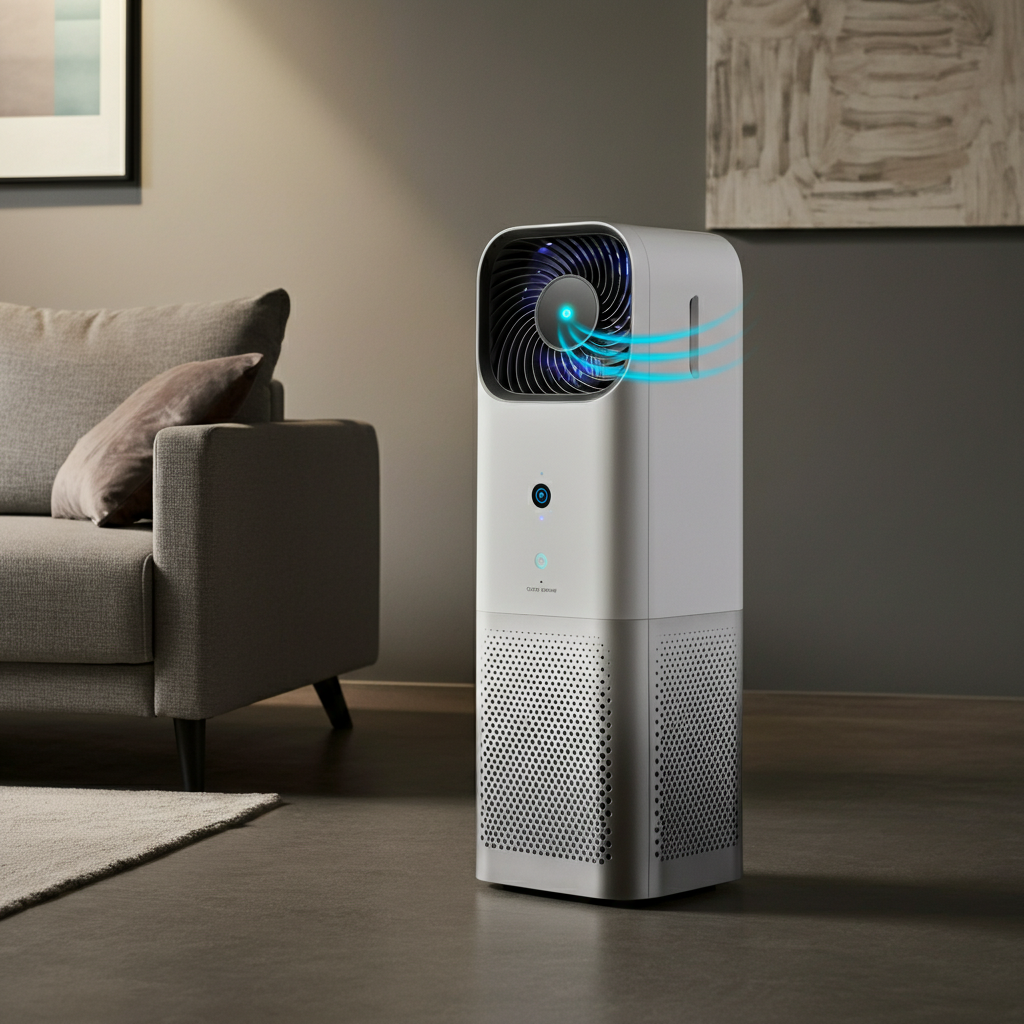
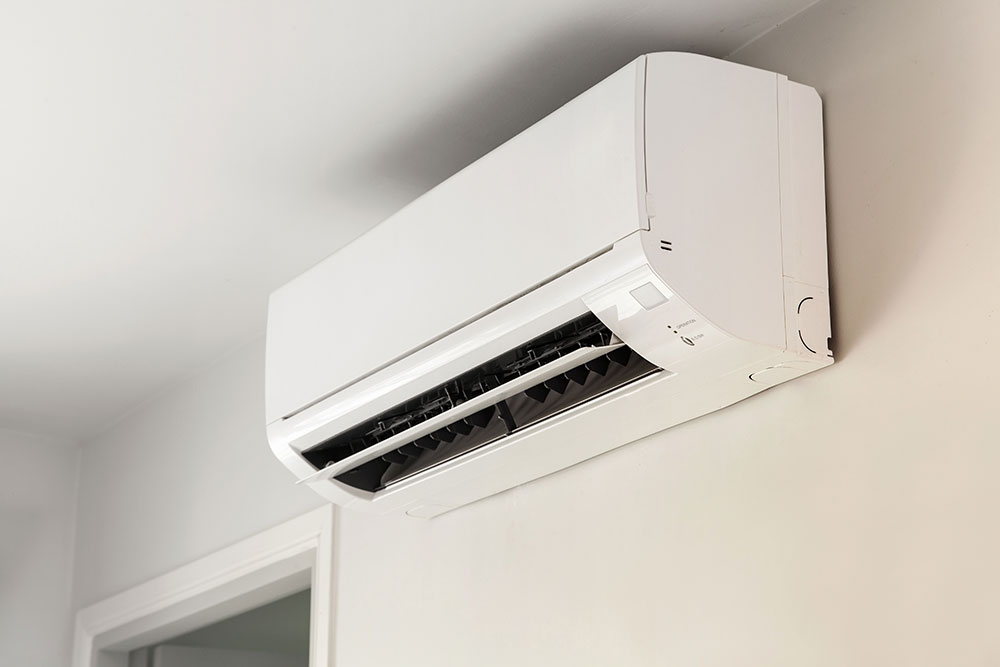
Chicago’s summer winds may feel great, but they also carry pollen, dust, and pollutants into your home. General cleaning—including dusting, vacuuming, and air filter changes—helps reduce allergens and improve indoor air quality, especially if you or your family members suffer from seasonal allergies.
Manage Humidity and Moisture
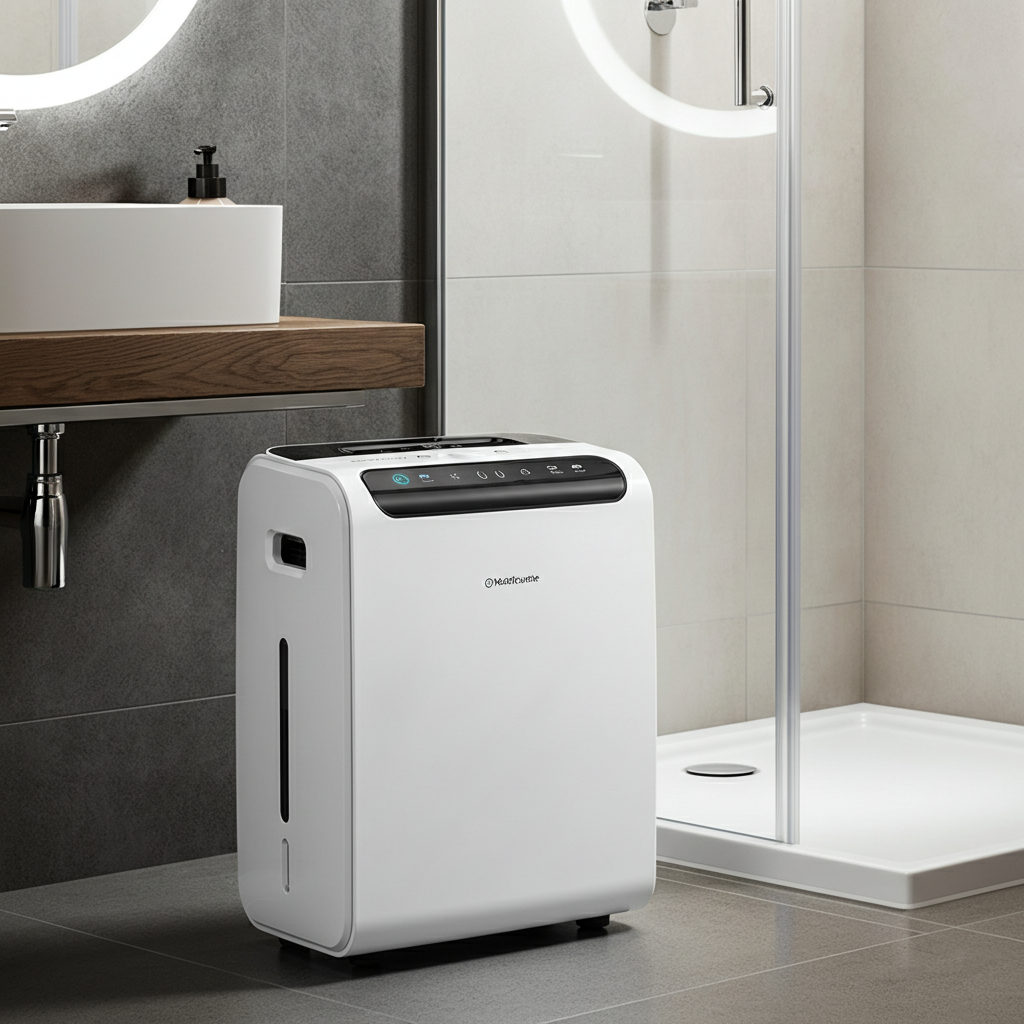
The city’s summer humidity can lead to musty odors and mildew in kitchens, bathrooms, and basements. Routine cleaning keeps surfaces dry, disinfected, and fresh-smelling. Adding fans or dehumidifiers into your routine can further help prevent moisture-related issues.
Keep High-Traffic Areas Clean
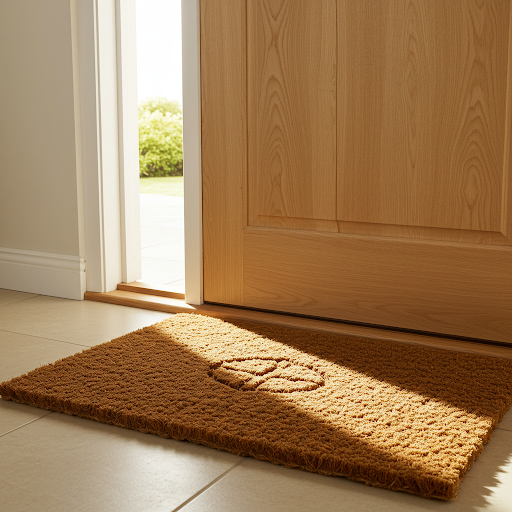
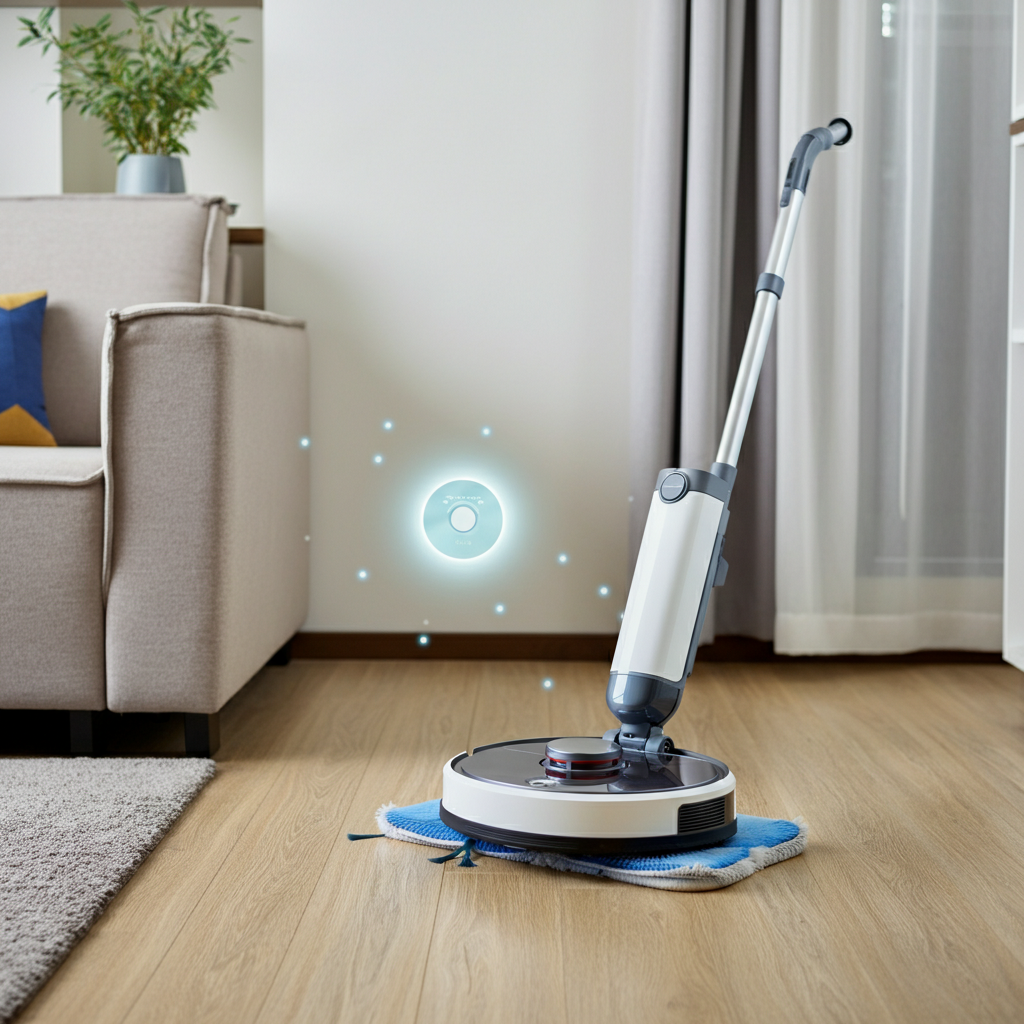
During the summer, there’s more movement in and out of the house—bringing in dirt, sand, grass, and everything in between. General home cleaning focuses on floors, entryways, and living spaces to keep these messes under control daily or weekly.
Maintain a Guest-Ready Home
From impromptu visits to weekend barbecues, summer is a social season. General cleaning services ensure your home is always ready to welcome friends, family, or unexpected guests—without the last-minute scramble.
What’s Included in General Home Cleaning?
While services can be customized to your home’s needs, a standard general home cleaning typically includes:
- Dusting all surfaces, including furniture and fixtures
- Sweeping, vacuuming, and mopping floors
- Cleaning kitchen countertops, sinks, and appliance exteriors
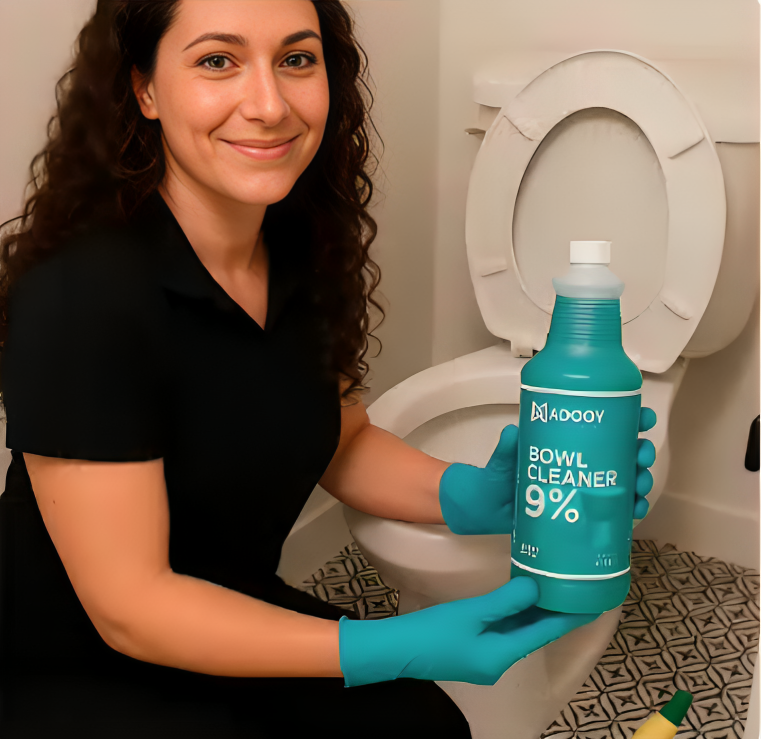
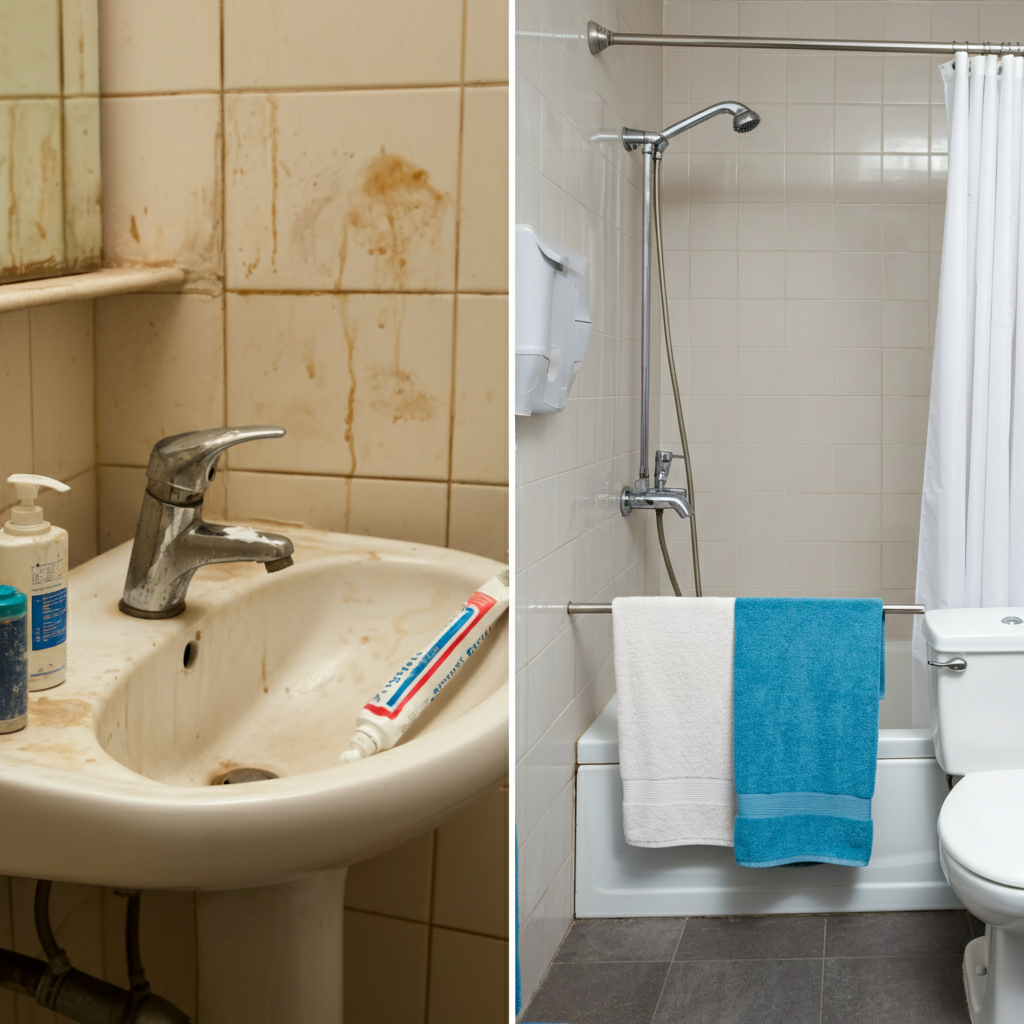
- Sanitizing bathrooms, including toilets, sinks, and showers
- Emptying trash bins and replacing liners
- Spot cleaning windows and mirrors
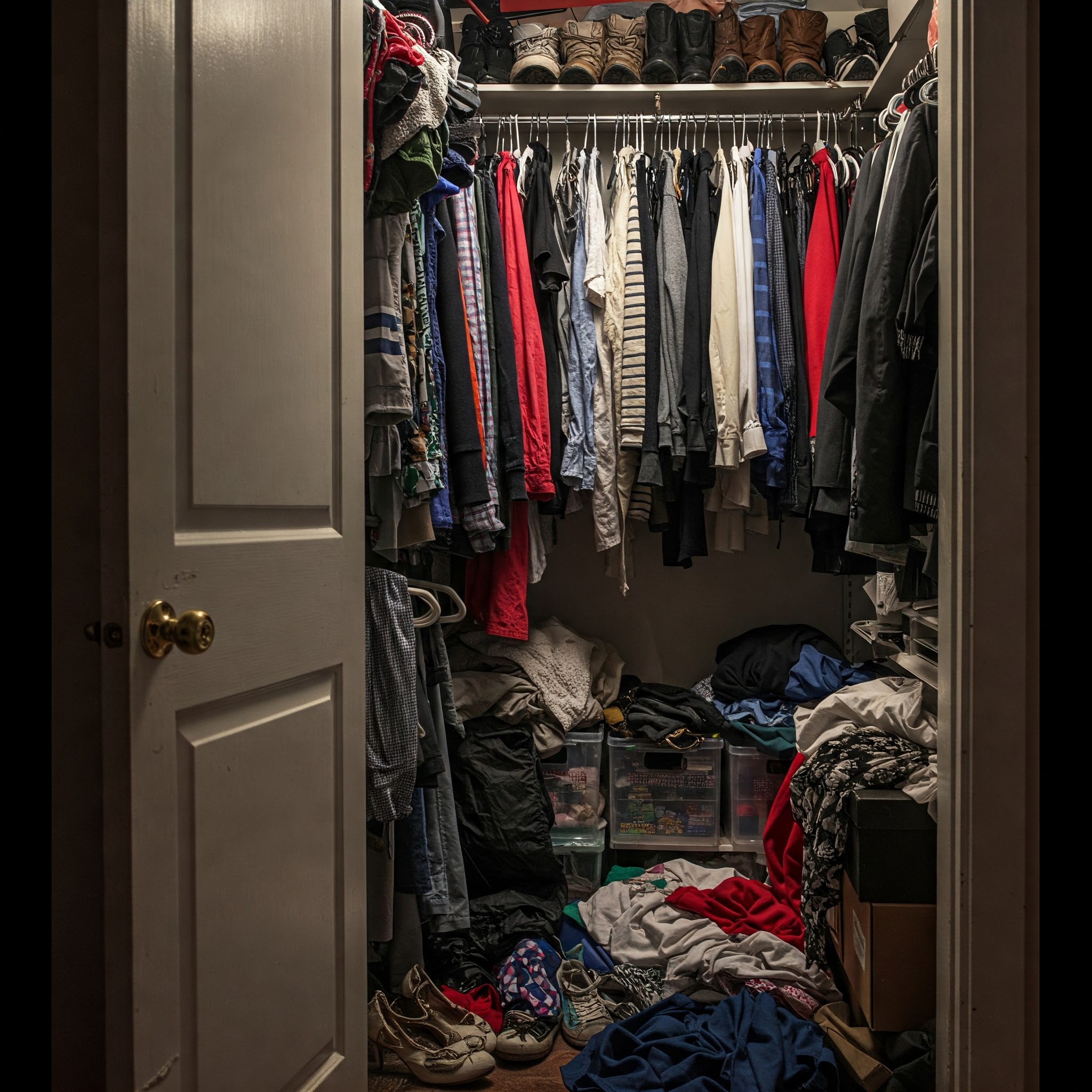
- Tidying up common areas and bedrooms
This routine cleaning creates a baseline of cleanliness that keeps your space feeling fresh and organized, day after day.
Why Hire a Professional Cleaning Service in Chicago, IL?
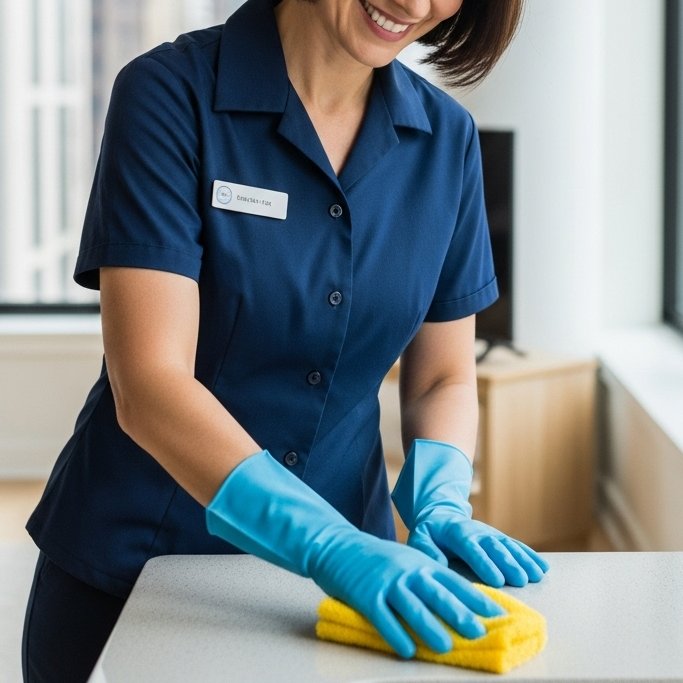
Living in a fast-paced city like Chicago often means balancing work, family, and personal time. Hiring a professional cleaning service ensures your home stays clean without cutting into your valuable downtime. Experienced cleaners bring the right tools, products, and know-how to maintain your home with consistent, high-quality care.
Whether you prefer weekly, bi-weekly, or monthly general cleaning, local professionals in Chicago can tailor services to match your schedule and budget—so your home gets the attention it deserves, without the stress.
A Clean Home for a Comfortable Summer
General home cleaning is the foundation of a healthy, happy home—especially during the lively and often hectic summer months in Chicago, IL. From reducing allergens to keeping your space guest-ready, regular cleaning ensures your home stays fresh, functional, and stress-free.
Ready to enjoy a cleaner, more comfortable home this summer? Let the experts handle it, so you can focus on what really matters: making memories in a space you love.